Blog / Local

How to Plan a Road Trip

How to plan a road trip

How to Plan a Road Trip

Planning a road trip can seem like a daunting proposition; However, with constructive guidance, it can be a lot easier. This is a step-by-step article that covers the basics of planning a road trip. Let's explore the tips and tricks for planning a road trip.

  1. Planning the route:

The first step is to research the location for the road trip. Then you also need to set the time and budget for the trip, explore potential destinations on search engines, and check itineraries to find the perfect ideas. Attractions you want to see and create a suitable roadmap to get there faster and avoid obstacles.

  1. Create a budget:

Before doing anything, it is very important to have a budget. So, set a budget per day for the trip, find out the cost of the vehicle, and check the prices daily. You should also split the budget for accommodation, meals, and other leisure activities.

  1. Make the bookings:

Now that you have a framed budget for the road trip and can use it to plan other facets of the trip, make reservations for your accommodation, meals, and other everyday expenses. You must make all reservations prior to travel to confirm your stay at the place of visit.

  1. Create a packing list:

Once you have planned the route efficiently, you must create a list of packing essentials. To help you and make things easier for you, here are a few essentials that you must adhere to.

  • Car charger
  • Car pillow
  • Dashcam
  • Quilt
  • Phone holder
  • Phone with navigation
  • Toilet paper and more

When packing personal items, you must make use of a suitcase or the main bag. However, make sure you have a small bag for the essentials.

  1. Essentials to keep handy:

Make sure that you have the documentation ready to reach the final location. This includes the following:

  • Spare key
  • Driving license and passport
  • Car registration documents
  • Insurance
  1. Prepare road trip food:

When traveling from home, food preparation and bringing with you is essential. Check out the road trip food ideas and plan the perfect meal for you and your family. Plan and prepare meals before starting your road trip.

  1. Create the itinerary:

One of the main goals is to create a planned itinerary that you can consider. If you need help with inspiration, be sure to check the suggested routes. The itineraries are step-by-step guides that you should know before leaving. They contain everything you need to know before you head out.

Posted in:

Related Posts

Fall Car Care Month Murfreesboro Hyundai

Winter Proof Your Car With These Fall Car Care Tips

Fall is finally here! The weather’s getting cooler, leaves are changing color, all signs that winter is not far behind. And while we may not be able to get you mentally ready for the change of the seasons, we can certainly help you prepare your car for fall and winter! Welcome to Fall Car Care Month at Murfreesboro Hyundai! more The Quintessential Fall Car Care Month Checklist Fall is the perfect time to start checking up on your car. The weather isn’t entirely too cold yet, the Holidays are still a ways off, and you aren’t facing any severe weather conditions. The autumn season is prime for getting out in the garage or bringing your car to our service centers to get everything checked out before the real test of your car’s performance comes. Now you may be asking yourself, why is it important to check up on your car before winter? Well, dealing with car problems when it’s cold out is just not a great time. And we want you to always have a good time driving your Hyundai. And while these tips may seem like common sense, you’d be surprised just how often these can fly under the radar and end up causing much more serious problems down the line. 15 Tips to Prepare Your Car For Winter Checking and Refilling Fluids: All of your fluids play a crucial role in keeping your Hyundai performing at its absolute best, and during the cooler months you don’t need anything less. Taking a look at your oil, power steering fluid, brake fluid, and transmission fluid and refilling or changing any needed is a great way to prepare your car for the winter months ahead. Also, checking your antifreeze/coolant is an absolute must, as that will keep your engine from getting too cold should the temps drop. Change the Oil and Filters: While we’re on the topic of fluids, your oil is a big one that you should be up to date on. Ignoring an oil change, especially in winter is not a great idea. Old oil in your system greatly increases the risk of your engine overheating, severely damaging the engine. Check when your Hyundai is due for its next oil change and make sure you get the filters changed as well. That way your brand-new oil stays new for as long as possible! Test the Heating/HVAC: Yes, your AC system may seem like an afterthought when it comes to having to prepare your car for winter and Fall car care. However, your HVAC is also responsible for filtering the air, dehumidifying your windshield, and heating your car. So making sure everything there is in working order before the weather gets too cold is probably a good idea. Tighten Your Hoses: Making sure your antifreeze and fluids are all topped off is great, but it won’t do you any good if it can’t reach your engine. If your hoses have any leaks or breaks, there’s a good chance you’ll overheat your engine when the cold weather hits and your engine has to work overtime to keep it warm. Be sure to give your hoses a good look over and tighten any that seem loose. Look at Your Belts: This actually goes hand in hand with your hoses. Hot summer months can severely degrade the belts in your engine. When checking under the hood, you should look for any signs of excessive wear, fraying, cracks, or looseness. If you do notice any of these, bring your Hyundai over to Murfreesboro Hyundai and we’ll set you up with a new belt. Test Your Exhaust: Checking your exhaust system as part of your fall car care checklist could actually save your life. If there’s a leak in your exhaust, carbon monoxide could seep into your car. Not only that, but a damaged exhaust system can also result in lower mileage. Keep on the lookout for weird noises, smells, a vibrating gas pedal, or a rumble when your car is sitting still. All are signs that your exhaust system is damaged. Our Hyundai-certified technicians will look for rust, holes, leaks, and other damage that may be present during our inspection. Check Your Brakes: You want to be able to stop when you need to stop right? Especially if the weather is giving you trouble, you don’t want your brakes to be something else to worry about. Bring your Hyundai over to Murfreesboro Hyundai and our service team will make sure your brake system is in good working order. Replacing your brake pads and rotors is an essential part of your Fall car care and winter prep. Inspect All 4 Tires: The quality of your tires is just as important as that of your brakes. If your tires are worn down, they’re not going to do you much good in snow or rain. Make sure to not only check the tread but also their pressure. Tires lose pressure when the temperature drops and changing a flat in 30-degree weather isn’t fun. If you really want to future-proof yourself, getting a good set of snow tires or all-season tires will be greatly beneficial. Pay Attention to Steering and Suspension: You want to be in complete control of your Hyundai in the event of bad weather. Making sure your power steering and suspension are up to par is the best way to remain in control at all times. If you’re worried, our team can take a look at your shock absorbers, struts, and chassis to see if anything needs adjusting or replacing. Test The Battery: Bering able to rely on your battery during the winter months can be a huge weight off your shoulders. So be sure to check the charge and quality of your current battery. If it’s been more than three years, it may be time to replace the battery completely. Visit our service center and we’ll be able to set you up with a brand-new battery just in time for Winter. Replace Your Wipers: Did you know that the quality of your windshield wipers actually factors into your yearly inspection? That’s because if your wipers are leaving heavy streaks on your windshield, you will not have very good visibility. And visibility is essential in any type of winter weather. Wash Your Car: This may definitely seem unnecessary, but hear us out for a second. Cleaning your car of all the summer mildew and dirt can help prepare it for what’s coming. Waxing your car can also protect it from snow, ice, and salt. Furthermore, it’s a good idea to regularly clean your car after it snows. Icemelt and salt can accumulate and erode certain components of your undercarriage if left on for extended periods of time. While not as immediately important as other tips on your Fall car care list, it won’t hurt. Clean Your Headlights: Between dead bulbs and cloudy headlight covers, there’s enough to check to warrant this being on your Fall car care list. Your headlights do two things out on the road. They help you see what’s in front of you, and they help other drivers see you. Check your bulbs and clean your headlight covers and ensure both of these functions are unimpeded. Pack Roadside Kit: If the unfortunate happens and you have car issues or slide on ice or snow, having a pack of supplies to fall back on is a great idea. Some things that should be in your roadside kit include an ice scraper, jumper cables, a flashlight, blankets, bottled water, non-perishable food, and a first aid kit. You can never be too careful. Get AAA/Roadside Assistance: No Fall car care list would be complete without roadside assistance. These guys can be literal life savers and save you from having to sit out in the cold waiting on a tow company and praying that they’re open. Companies like AAA offer 24/7 support and assistance so they’re always there when you need them. Stay On Top of Your Fall Car Care It may seem like a lot to keep track of, but if you follow this Fall car care checklist, you’ll be more than prepared for when the colder months roll around. And if there’s anything you need to replace or you can’t check out yourself, you can always make Murfreesboro Hyundai a part of your winter car prep by scheduling an appointment with our service center in Nashville. Make sure you prepare your car for winter right with Murfreesboro Hyundai!


Nashville, TN skyline

Tips For Safe Street Parking In Nashville

Figuring out where to park when you visit Nashville can be a real pain. The garages are expensive and parking lots are nearly always full. So all that’s left is street parking, which even tends to be hard to find. As a Nashville resident, you know that parking downtown can be hard to come by, especially on weekends. With street parking as one of only a few options available to you, it's simply an unavoidable part of your life behind the wheel. So, if you have to park on the street, you may as well stay safe doing it. Below are some basic things every Murfreesboro Hyundai driver can do to ensure the safety of their vehicle when parking on the street. Pro Tips For Street Parking in Nashville But first, there’s something we must ask. How comfortable are you with parallel parking? More importantly, can you parallel park? Because if the answer to either of these questions is no, you may want to pony up the twenty-or-so bucks required to gain access to an oversaturated parking garage. However, if you have the mettle to take on the tall task of parallel parking on a busy city street, keep reading. The Basics for Safe Street Parking Near Murfreesboro Look at the street signs: A common joke among big-city drivers, street signs are something that should be simple to interpret but, oftentimes, are not. With differing messages, time restraints, and symbols all coexisting on the same small rectangular sign, parking legally on the street can require some focus and mental fortitude. Take your time, read the signs and ensure that you won't be returning to a freshly booted vehicle. Choose street lights over branches: If possible, it's always a good idea to park your car in a well-lit area. In general, the more visible your car is, the safer it will be. Parking under trees, on the other hand, should be avoided whenever possible. Trees shed debris with rain and wind and, on occasion, come down completely in severe weather. Not to mention bird poop is rather annoying, especially with a convertible. Remember your side mirrors: One of the easiest ways to protect your car when parking on the street is by simply folding in your driver-side side mirror. This prevents an irresponsible driver from passing too close to your parked car, clipping off your mirror, and continuing on with their day, leaving you with the bill for repairs. Take your valuables with you and lock up: On average, over 80,000 unlocked cars are stolen each year. That's right, unlocked cars. So, while this may seem like an obvious tip, it is an important one. Lock your car, take your keys with you and be sure that no valuables are visible to people passing by and peeking in. Make sure potential thieves have no reason to be interested in your car or anything inside it. Drop a pin: People are forgetful. We forget our keys, our phones, our wallets. Heck, sometimes we forget whether or not our kids are in the backseat. We also, on occasion, forget where we park. Prevent this issue by dropping a pin on your maps app before you leave your ride behind. Then, when you're ready to return, simply pull up the pin and find your ride in no time. Investments for Added Protection Car wash: Getting your car washed about every two weeks is a great way to make sure your car looks presentable. Beyond that, it shows would-be thieves that you pay attention to your vehicle. Oftentimes, car thieves target vehicles that look neglected. The idea here is that they will have more time after the theft to do with the car what they want before the owner even notices it's gone. So, protect your car's exterior appearance and show people you care about your ride with frequent washes. Snow cover: A snow cover or car blanket protects your car from all elements. Whether that's snow, hail, tree debris, or bird droppings, a cover is a great way to protect your ride and prevent passersby from seeing what's inside. Sunshade: Over time, constant exposure to the sunlight will cause fading and cracks on your dash and other areas of your interior. A sunshade is a great way to protect your car's interior and prevent potential thieves from seeing something worth stealing in your car. Catalytic converter shield: This may sound like an unnecessary precaution, but when you consider the fact that an experienced thief can steal a catalytic converter in about two minutes, that $350 shield is looking a lot better than a $2,000+ converter. Relax In Nashville With more and more people moving to major metropolitan areas each year, parking in areas like Dayton is getting harder and harder to find, while inventory for car thieves has never been higher. However, if you follow these steps, you can rest easy knowing that you've done all you can to protect your car while it's parked on the street.

10 Main Differences Between Owning and Leasing a Vehicle

10 Main Differences Between Owning and Leasing a Vehicle

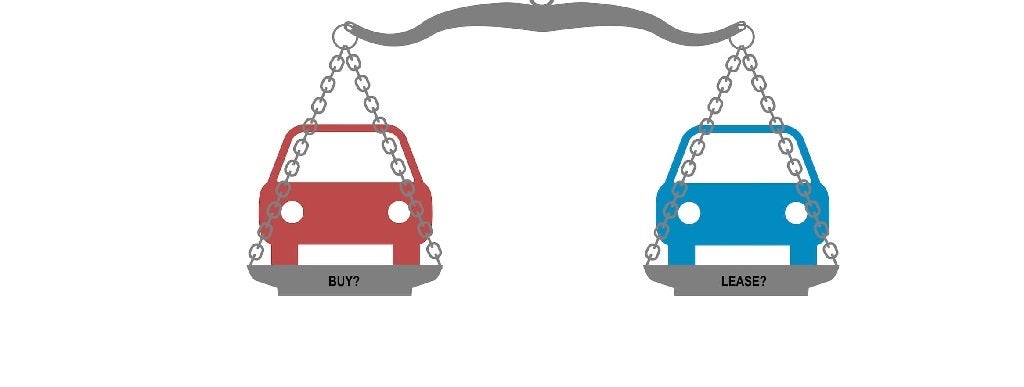
10 Main Differences Between Owning and Leasing a Vehicle Buying any type of car, whether used or new, is a historic decision for everyone. To finalize the decision, the person should look at different models, makes, and variants while trying to stay on a budget. which enables the buyer to own or lease the vehicle? Here's a look at the main difference between buying and selling a car: 1) Monthly Payments: Customers who pay lease are liable to give 30% lesser money as compared to owning as per EMIs, which makes a lot of buyers run towards the lease. 2) Paying Up Front: Advance payments are required when buying, while the amounts are significantly lower when leasing. To own a car, you may have to pay 10% of the price for the best financing rates. Users who rent cars have more flexibility. compared. 3) Length of Ownership: In this context, the property is often used loosely. Customers will find that the leases are available for a maximum term of 23 years. On the other hand, you can drive your own cars whenever the owner wishes. Long-term rental to a dealer. 4) Flexibility: The legal owner of a car has more flexibility in how the car is handled, while the lessee must return the vehicle in good condition or pay an additional fee in the end. 5) Vehicle Sale: Purchased vehicles can be sold in any way, either individually or in exchange. In comparison, leased cars should only be returned to dealers. Based on the context above, only used cars receive money from sales. 6) Future Value: Cars are the type of assets that invariably depreciate over time. In this context, it’s a better idea to take leases instead of buying new ones, unlike houses that always appreciate with time. 7) Term End: Monthly payments must be made in both cases but will be a time when payments are made because the persons can save more. 8) Miles Travelled: According to most leasing contracts, the mileage of the car should be 10,000 to 15,000 per year. If the mileage is outside of this limit, customers will have to pay overage fees. Not suitable for someone who makes long car journeys or has a remote job. The owners do not have such restrictions. 9) Customization- Lease agreements in the US do not permit the leased vehicles to be returned in a modified state. All the modifications must be removed and the cars have to be submitted in original condition. As opposed to this, any user who has added bling will want it to be there and thereby get a higher price on the sale. 10) Maintenance: Leased vehicles must not be in poor condition when they are returned, or those who had them would have to return the extra money. These people can't be strict with their cars at all as leasing is a long term rental after which the dealership tries to sell the car. Again, there is no such requirement for having your own car.